A lawsuit does not always have to end with a judge or jury deciding the outcome. In many civil disputes, the parties have an opportunity to resolve some or all of their disagreements through mediation. This process allows both sides to discuss possible solutions with the assistance of a neutral third party.
Mediation can take place at different stages of a lawsuit, and the exact procedures vary depending on the court, jurisdiction, and type of dispute. A mediation attorney can help a party prepare for the process, understand the legal issues involved, and evaluate potential settlement terms.
What Is Mediation?
Mediation is a form of alternative dispute resolution. Instead of presenting evidence to a judge or jury for a binding decision, the parties work with a neutral mediator in an effort to reach an agreement.
The mediator does not typically decide who should win the case. Instead, the mediator facilitates communication, helps identify areas of disagreement, and may encourage the parties to consider possible compromises.
The parties generally retain control over whether they agree to a proposed settlement. However, specific mediation requirements and procedures can vary, particularly when participation has been ordered by a court.
When Does Mediation Take Place?
Mediation can occur before a lawsuit is filed or while litigation is already underway. During an existing lawsuit, the parties may consider mediation after they have gathered enough information to understand their respective positions.
In some cases, a court may require parties to participate in mediation before a case proceeds further. In others, the parties voluntarily decide that attempting settlement could be worthwhile.
Timing can matter. If mediation occurs too early, the parties may not have enough information to evaluate the dispute. Waiting until shortly before trial, however, can mean both sides have already spent considerable time and money on litigation.
How Do the Parties Prepare?
Preparation can play an important role in mediation. Before the session, attorneys may review evidence, legal arguments, damages, previous settlement discussions, and the strengths and weaknesses of the case.
Parties may also prepare documents for the mediator explaining the dispute and their positions. The exact materials provided depend on the case and the mediator’s procedures.
Another important part of preparation is deciding what outcomes may be acceptable. Parties should understand their priorities before negotiations begin, including which issues might allow flexibility and which terms are particularly important to them.
What Happens at the Beginning of Mediation?
The mediator will generally explain the process and establish expectations for the session. Depending on the format, the parties may initially meet together or begin in separate rooms.
When a joint session occurs, each side may have an opportunity to briefly explain its position. This is not necessarily the same as making a courtroom argument. The goal is often to identify the central issues and establish a starting point for negotiations.
The structure of mediation can differ significantly from one case to another. Some mediators rely heavily on joint discussions, while others primarily communicate with each side separately.
Why Are the Parties Sometimes Separated?
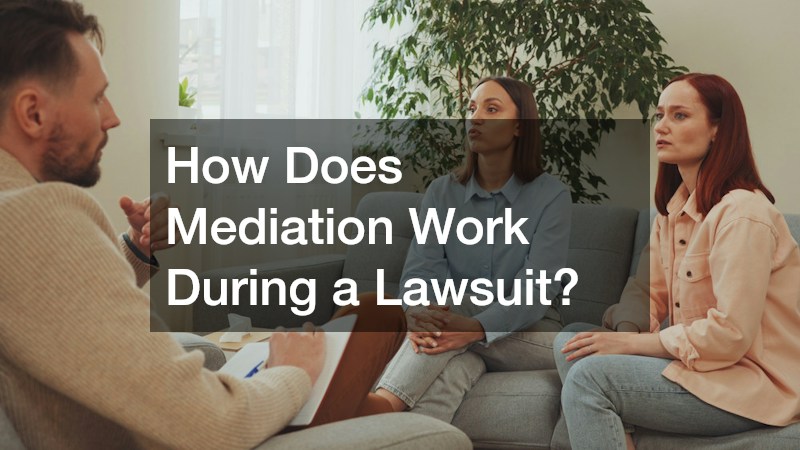
In many mediations, the parties spend much of the session in separate rooms or separate virtual meeting spaces. The mediator moves between them to discuss proposals, concerns, and possible settlement terms.
Separate discussions can allow each party to speak more openly with the mediator about its priorities and concerns. The mediator may ask questions about how each side views the risks associated with continuing the lawsuit.
The rules governing confidentiality and what the mediator may share between the parties can depend on applicable law and the mediation agreement. Participants should understand those rules before assuming that everything said privately will remain confidential.
How Does Negotiation Work?
Settlement negotiations often involve proposals and counterproposals. One party may make an initial offer, and the other may respond with different terms. The mediator facilitates this exchange and may help the parties identify areas where their positions overlap.
Negotiations are not necessarily limited to money. Depending on the lawsuit, a settlement might involve payment schedules, property, future conduct, business arrangements, confidentiality provisions, or other terms.
Mediation can provide greater flexibility than a trial because the parties may be able to negotiate solutions that a court would not necessarily order after litigation.
What Happens if an Agreement Is Reached?
If the parties reach a settlement, the terms are generally put into writing. Depending on the circumstances, the parties may sign an agreement during mediation or attorneys may prepare more detailed documents afterward.
It is important to carefully review settlement language before signing. A settlement can affect significant legal rights, including whether claims can be pursued again in the future.
Once the necessary agreement is finalized, the lawsuit may be dismissed or otherwise concluded according to the settlement and applicable court procedures.
What if Mediation Does Not Result in a Settlement?
Not every mediation ends in an agreement. If the parties cannot reach acceptable terms, the lawsuit may continue through the normal litigation process.
Discovery may continue, additional motions may be filed, and the case could eventually proceed to trial. An unsuccessful mediation does not necessarily mean that settlement is impossible later. Negotiations can sometimes continue as circumstances change or additional information becomes available.
Mediation may also produce partial progress. The parties might resolve certain issues while leaving others for continued negotiation or litigation.
Mediation Can Provide Another Path Toward Resolution
Mediation gives parties involved in a lawsuit an opportunity to explore settlement without immediately relying on a judge or jury to determine the outcome. The process generally involves preparation, discussions with a neutral mediator, negotiations, and potentially a written settlement agreement.
Because agreeing to a settlement can have lasting legal and financial consequences, participants should understand the terms before making a final decision. A mediation attorney can help a party evaluate proposals, protect important interests, and understand how a potential agreement compares with continuing litigation. Whether mediation resolves the entire case or only narrows the disagreements, it can provide another way for parties to address a dispute during a lawsuit.